



Hotel terraces, poolside leisure areas, and outdoor dining spaces need furniture that does more than look good on delivery. With prolonged exposure to rain, sunlight, and frequent use, furniture must also be easy to clean, straightforward to maintain, and available for repeat orders.
These requirements give HDPE outdoor furniture clear commercial appeal. Its moisture-resistant material structure, outdoor weathering formulations, surfaces that require no periodic painting, and wide range of colors and product formats make HDPE an important category for dealers, importers, and commercial buyers to consider.
Looking ahead to 2027, the opportunity extends beyond Adirondack chairs. Chaise lounges, dining sets, benches, bar furniture, and deep seating can serve purchasing needs across leisure and dining environments. Understanding how these advantages translate into competitive products and manageable commercial furniture is essential for buyers.
Moisture and Weather Resistance: Why Is HDPE Suitable for Long-Term Outdoor Use?
HDPE, or high-density polyethylene, has low water absorption and contains no wood fibers that are susceptible to moisture-related decay. Rain, humidity, and routine cleaning water do not readily penetrate the boards, making the material particularly suitable for furniture used around pools, on terraces, and in humid environments.
Unlike wooden furniture that relies on surface coatings for protection, HDPE’s moisture resistance comes from the material itself. It does not require periodic waterproof coatings and avoids issues associated with wood rot and splintering. For commercial outdoor areas furnished throughout the year, this simplifies maintenance planning.
Outdoor HDPE furniture can also incorporate UV stabilizers, antioxidants, and weather-resistant pigments during material processing to slow the effects of ultraviolet exposure and oxidation. Color can be incorporated into the boards rather than applied solely as surface paint, reducing refinishing work caused by peeling coatings.
|
For importers and dealers, these characteristics provide clear selling points. For hotels and resorts, they relate directly to day-to-day maintenance and furniture management.
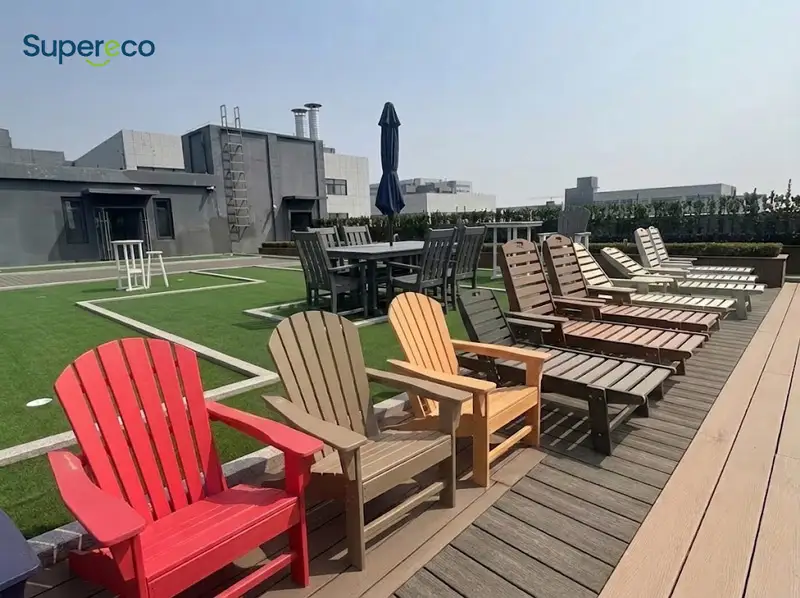
Low Maintenance: Why Do Commercial Buyers Focus on Long-Term Costs?
The cost of commercial furniture does not end with payment. Cleaning, surface maintenance, repairs, and replacement continue to consume budgets and staff time.
HDPE furniture generally requires no periodic sanding, staining, painting, or sealing. Routine cleaning can begin with mild detergent, water, and suitable cleaning tools to remove dust and everyday marks. Compared with furniture that needs periodic refinishing, it simplifies maintenance procedures.
On a hotel terrace, for example, refinishing involves more than paint and tools. Staff must move the furniture, prepare the surfaces, allow drying time, and restore the layout. Reducing this work helps keep areas available and makes maintenance easier to schedule.
Low maintenance also has sales value for dealers. Customers can understand the care requirements more easily, while sales teams can clearly explain how the products differ from traditionally coated furniture.
Buyers can compare long-term costs across the following categories:
Purchase and delivery + assembly labor + routine cleaning + periodic maintenance + repairs and replacement.
HDPE’s value becomes evident across these stages of use. Regular cleaning and connection checks remain necessary, but avoiding repeated surface coating is an important advantage in commercial environments.
Sustainability and Resource Use: How Does HDPE Support Furniture Procurement?
HDPE connects material recovery with durable furniture manufacturing.
Recycled HDPE that has been sorted, cleaned, and processed can be used as feedstock for furniture boards, giving recovered plastics a longer-term product application. For brands and buyers concerned about material sourcing, this provides a practical resource-use pathway.
As a thermoplastic, HDPE has the potential to be reprocessed. Suitable production offcuts can also be treated and returned to the manufacturing process. This allows material recovery to work alongside standardized production and reduce some manufacturing waste.
Environmental value also extends into the product’s use:
- Less periodic coating: Reduces the ongoing need for paints, stains, and sealing products.
- Support for prolonged use: Moisture resistance, weather-resistant design, and appropriate care help reduce premature replacement.
- Localized repairs: Components that can be disassembled and replaced help extend the use of the complete item.
- Potential material recovery: Separating components creates opportunities for material sorting at the end of use.
For dealers and importers, sustainability messages should connect to the actual product: the feedstock used, its care requirements, and the components that can be replaced. This creates a more accurate and lasting brand message.
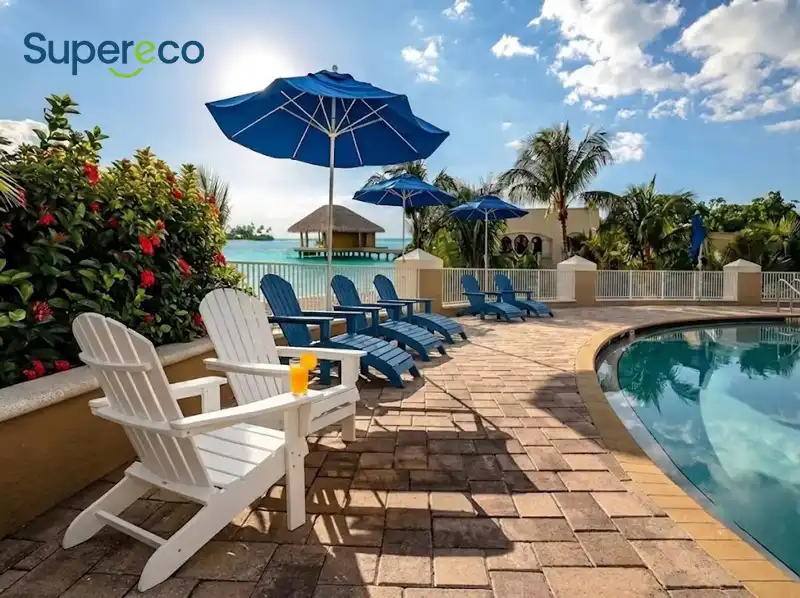
Beyond Adirondack Chairs: HDPE’s Expanding Product Opportunities
HDPE is suitable for more than classic leisure chairs. Different board dimensions, structures, and surface treatments allow manufacturers to develop complete outdoor furniture collections.
This matters to dealers. Customers purchasing a chair may also need a matching table, ottoman, or additional seating. Hotel projects likewise require different furniture for poolside, dining, and landscaped areas.
|
SuperecoPatio offers these HDPE outdoor furniture categories, allowing buyers to select coordinated products for their sales channels or project requirements.
Dealers can build on a core chair range by gradually adding complementary products. Project buyers can retain the function of each area while coordinating colors and finishes. Purchasing can therefore develop from individual items into collection-based supply.
Colors, Textures, and OEM: How Does HDPE Meet Higher Design Expectations?
Modern HDPE furniture is no longer limited to a single smooth plastic appearance. Wood-grain finishes, wire-brushed textures, coordinated colors, and different structures allow it to serve a wider range of commercial spaces.
Wood grain can provide a timber-like appearance, while wire-brushed finishes add texture. Natural colors can coordinate with architecture and landscaping, while brighter shades can support resort themes or brand identity.
For buyers, design differentiation should extend across the complete product.
Proportions and seating comfort. Seat height, seat depth, backrest, and armrests should suit the intended use.
Machining and assembly. Edge finishing, hole positioning, connections, and component fit affect the finished appearance and user experience.
Collection consistency. Matching chairs, tables, and ottomans should be reviewed together for color, texture, and proportion.
Branded delivery. Logos, labels, packaging, and assembly instructions can support a dealer’s private-label range.
SuperecoPatio supports customization of colors, surface textures, dimensions, configurations, branding, and packaging. Buyers can start with existing models or develop a differentiated collection for their target market.
For 2027 product planning, HDPE’s competitiveness lies not only in durability but also in combining a durable material with marketable design.
What Opportunities Does Commercial Market Growth Create for HDPE Supply?
Hotels, restaurants, resorts, and other commercial spaces provide an ongoing source of outdoor furniture demand. New developments, refurbishments, and replacement programs all require a balance of design, durability, and delivery.
Grand View Research estimates that the global commercial outdoor furniture market reached USD 22.7 billion in 2025 and will reach USD 37.7 billion by 2033, with a projected compound annual growth rate of 6.6% from 2026 to 2033. This forecast covers the overall commercial outdoor furniture market. www.grandviewresearch.com
HDPE aligns with several specific requirements within this market: low maintenance, moisture resistance, product-range development, and color and configuration choices for different applications.
Looking ahead to 2027, buyers can focus on:
- Distribution and importing: Build a clearly defined collection around core customers, control the number of models and colors in the initial order, and expand gradually.
- Hotel and resort projects: Select furniture by leisure, poolside, and dining area while considering maintenance and component replacement.
- Private-label development: Include product design, packaging, and the assembly experience in development to establish a repeatable range.
- Replenishment: Retain model, color, accessory, and approved-sample records to support subsequent orders.
Market opportunities need dependable manufacturing and supply behind them. Consistently reproducing approved designs helps dealers maintain their ranges and allows commercial properties to update and replenish furniture more easily.
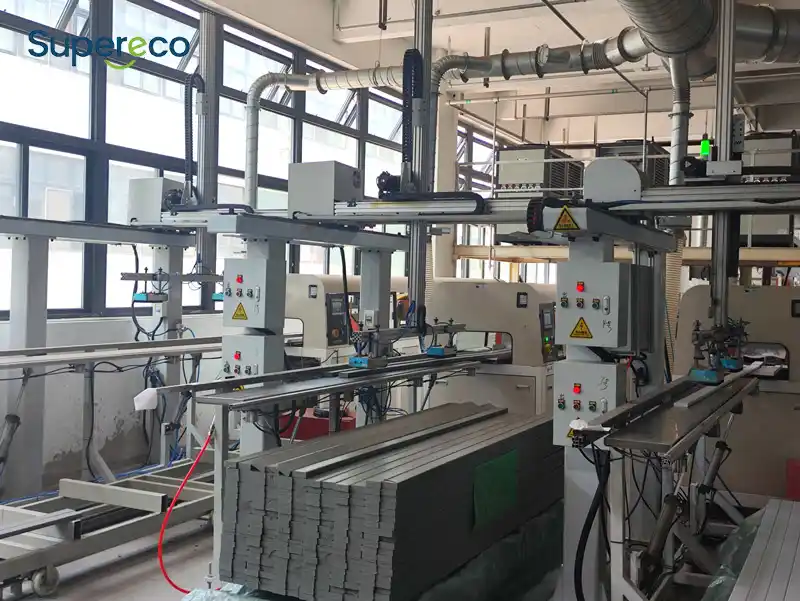
SuperecoPatio: HDPE Outdoor Furniture Manufacturing for Global Buyers
SuperecoPatio is an HDPE outdoor furniture manufacturer serving international B2B markets with factory-direct supply and OEM/ODM services for importers, dealers, wholesalers, and commercial project buyers.
Established in 2006, the company began serving international markets in 2008. Its production base in Linyi, China, has more than 120 production lines and serves over 70 countries and regions. The range includes Adirondack chairs, chaise lounges, dining sets, benches, bar furniture, and deep seating.
Product quality requires control across multiple stages, from material processing to final assembly. SuperecoPatio checks dimensions, surfaces, structures, assembly, and finished-product performance. Its in-house laboratory supports material, structural, and UV-related testing, while packaging inspections address product protection, accessory completeness, and final assembly at the destination.
For bulk buyers, the product range and customization capabilities support dealer collections, hospitality furnishing, and private-label development. Buyers can select an existing collection or confirm colors, textures, and configurations through samples before proceeding with bulk production.
For 2027 procurement, HDPE offers product advantages in moisture resistance, low maintenance, design flexibility, and resource use. SuperecoPatio brings these advantages into furniture design, manufacturing checks, and export supply, helping buyers build outdoor furniture ranges that can be sold, used, and replenished.